
Exploring Sustainable Clothing Options for Apparel Businesses
1. Introduction to Sustainable Clothing Options
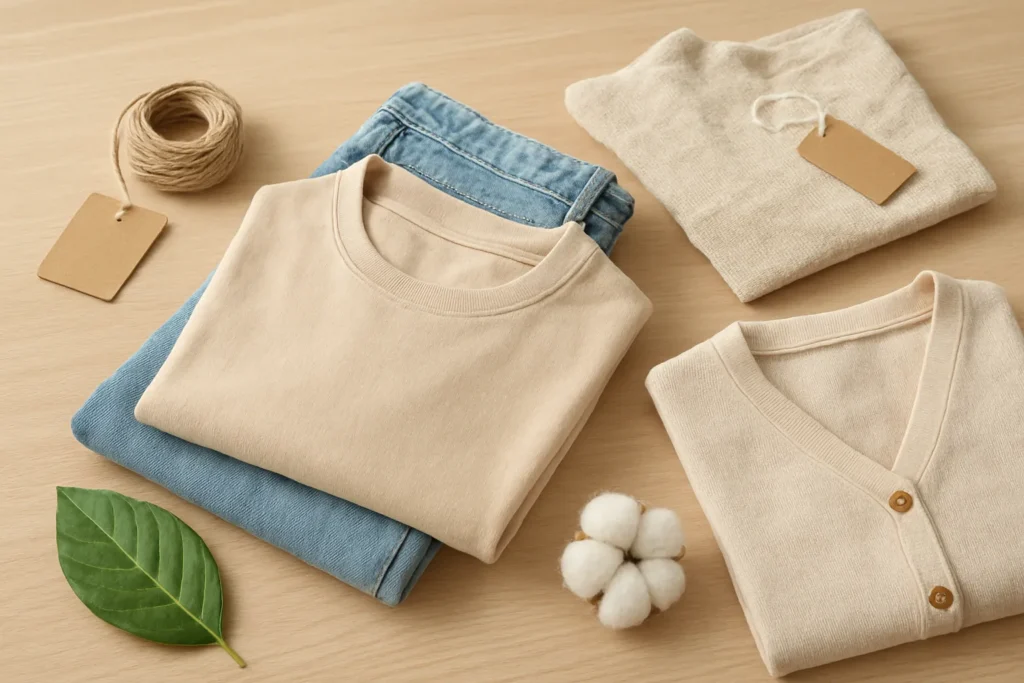
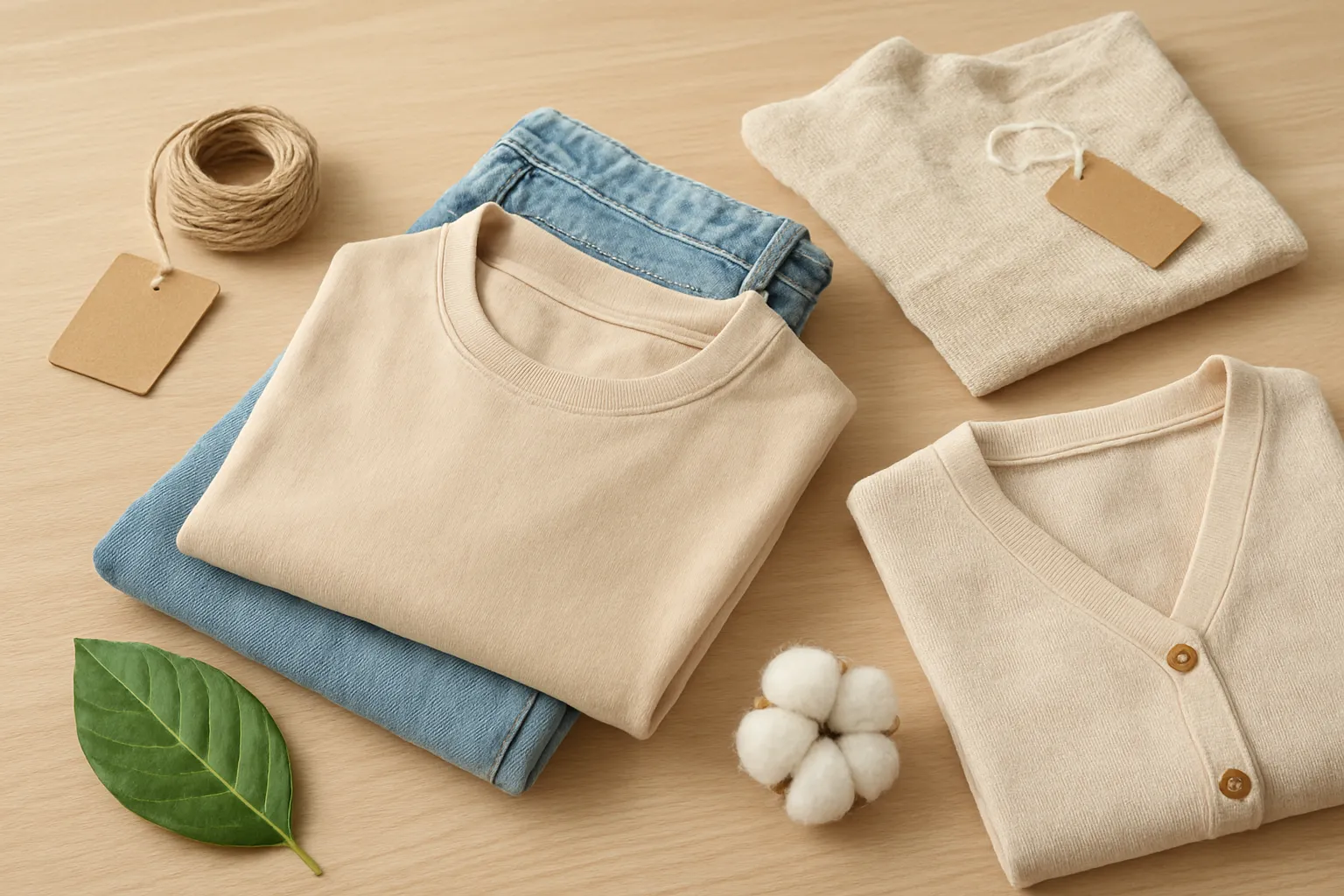
Sustainable clothing refers to garments produced with minimal environmental impact, focusing on eco-friendly practices throughout the supply chain. This encompasses the use of sustainable materials, ethical labor practices, and a commitment to reducing waste. As consumers increasingly prioritize sustainability, it’s become imperative for apparel businesses to adapt. The importance of sustainability in apparel cannot be overstated; it not only addresses environmental concerns but also aligns with the values of a growing segment of conscious consumers.
2. Benefits of Sustainable Clothing for Apparel Wholesalers
Adopting sustainable clothing options offers numerous benefits for apparel wholesalers.
- Environmental Impact: By switching to sustainable materials and practices, wholesalers can significantly reduce their carbon footprint. This not only helps in combating climate change but also contributes to the preservation of natural resources.
- Consumer Demand Trends: Recent studies indicate that consumers are more inclined to purchase from brands that demonstrate a commitment to sustainability. This trend is particularly pronounced among younger demographics, who are willing to pay a premium for eco-friendly products.
- Brand Reputation Enhancement: Brands that embrace sustainable practices can enhance their reputation and differentiate themselves in a crowded marketplace. A strong commitment to sustainability can foster customer loyalty and attract new clients who prioritize ethical consumption.
3. Types of Sustainable Materials
Understanding the types of sustainable materials available is crucial for wholesalers looking to expand their offerings.
- Organic Fabrics: Materials such as organic cotton, linen, and hemp are grown without synthetic pesticides or fertilizers, making them a healthier choice for the environment.
- Recycled Materials: Fabrics made from recycled plastics or textiles help divert waste from landfills and reduce the demand for virgin materials. Using recycled polyester, for example, can significantly lower energy consumption during production.
- Eco-friendly Dyes and Finishes: Sustainable clothing options also include the use of non-toxic dyes and finishes. These products minimize water pollution and reduce health risks for workers involved in the dyeing process.
4. Custom Printing and Sustainable Practices
Custom printing is an integral part of many apparel businesses, and it can also be aligned with sustainable practices.
- Eco-friendly Printing Techniques: Techniques such as water-based inks and digital printing are more sustainable alternatives to traditional methods. They reduce water usage and eliminate harmful chemicals from the printing process.
- Sourcing Sustainable Inks: When selecting inks, consider those made from natural or renewable resources. This not only supports sustainability but can also appeal to consumers interested in eco-friendly products.
- Case Studies of Successful Implementations: Several brands have successfully integrated sustainable printing practices. For instance, a leading apparel company transitioned to water-based inks and saw a significant reduction in their environmental impact while enhancing their brand image.
5. Sourcing Sustainable Clothing Options
Finding reliable suppliers of sustainable clothing options is essential for apparel wholesalers.
- Finding Reliable Suppliers: Start by researching suppliers who specialize in sustainable materials. Trade shows and industry networks can also provide valuable contacts. For a comprehensive guide on selecting the best custom apparel, check out How to Choose the Best Custom Apparel for Your Business.
- Certifications to Look For: Look for certifications such as GOTS (Global Organic Textile Standard) or OEKO-TEX® which indicate adherence to strict environmental and social criteria.
- Evaluating Supplier Practices: Conduct thorough evaluations of potential suppliers’ practices. This includes assessing their production processes, waste management, and labor practices to ensure they align with your sustainability goals.
6. Implementing Sustainable Practices in Your Apparel Business
Transitioning to sustainable options may seem daunting, but it can be accomplished with a strategic approach.
- Steps to Transition to Sustainable Options: Begin by assessing your current practices and identifying areas for improvement. Set clear sustainability goals and develop a phased plan for implementation.
- Challenges and Solutions: Common challenges include higher costs and limited availability of sustainable materials. Solutions may involve building partnerships with suppliers or investing in sustainable technologies to enhance efficiency.
- Measuring Sustainability Impact: Utilize metrics such as carbon footprint reduction, waste diversion rates, and consumer feedback to measure the impact of your sustainable practices. Regularly review and adjust your strategies based on these insights.
7. FAQs about Sustainable Clothing Options
- What makes clothing sustainable? Sustainable clothing is made from materials that are eco-friendly, produced under ethical labor conditions, and designed to minimize environmental impact throughout their lifecycle.
- How can I verify a supplier’s sustainability claims? Look for third-party certifications, request transparency in their supply chain practices, and review their sustainability reports.
- Are sustainable options more expensive? While sustainable clothing options can sometimes have a higher upfront cost, they often lead to long-term savings through reduced waste, energy consumption, and increased customer loyalty.
In conclusion, exploring sustainable clothing options benefits the environment and enhances the appeal of your apparel business to a growing base of eco-conscious consumers. By implementing sustainable practices, sourcing responsibly, and utilizing innovative materials, apparel wholesalers can position themselves at the forefront of this essential industry shift.