
How to Select the Ideal Custom Apparel for Your Business Needs
In today’s competitive landscape, custom apparel has emerged as a vital asset for businesses aiming to boost brand visibility and create a sense of unity among their employees. Whether you are contemplating uniforms for your staff or promotional items for an upcoming event, grasping the intricacies of custom apparel is essential. This article will guide you through the process of selecting the best custom apparel that aligns with your business needs.
1. Understanding Custom Apparel
Definition of Custom Apparel
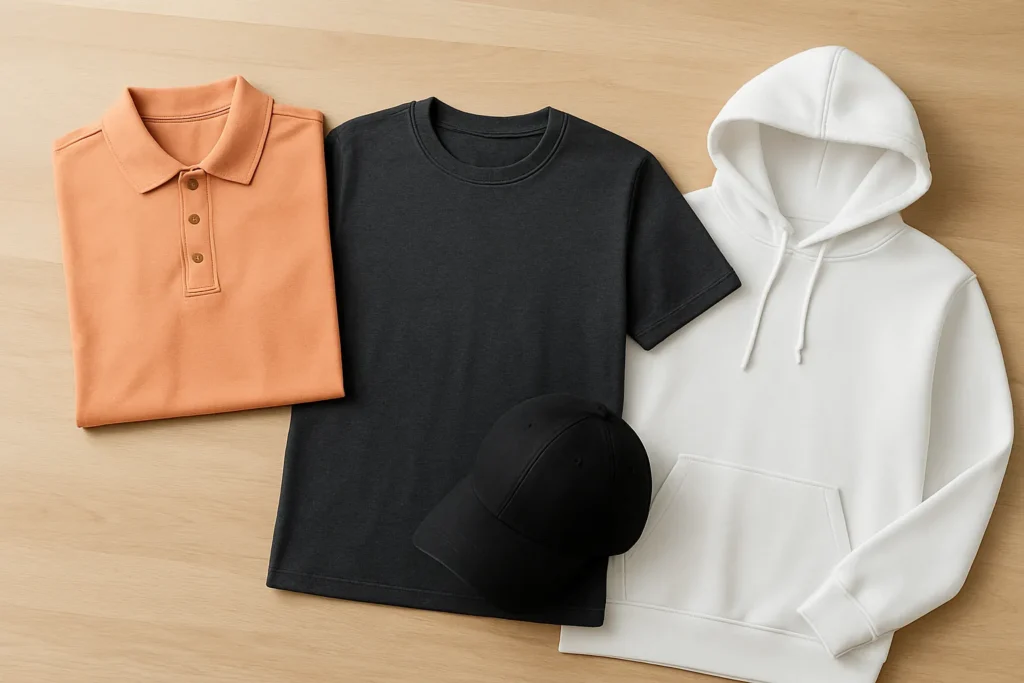
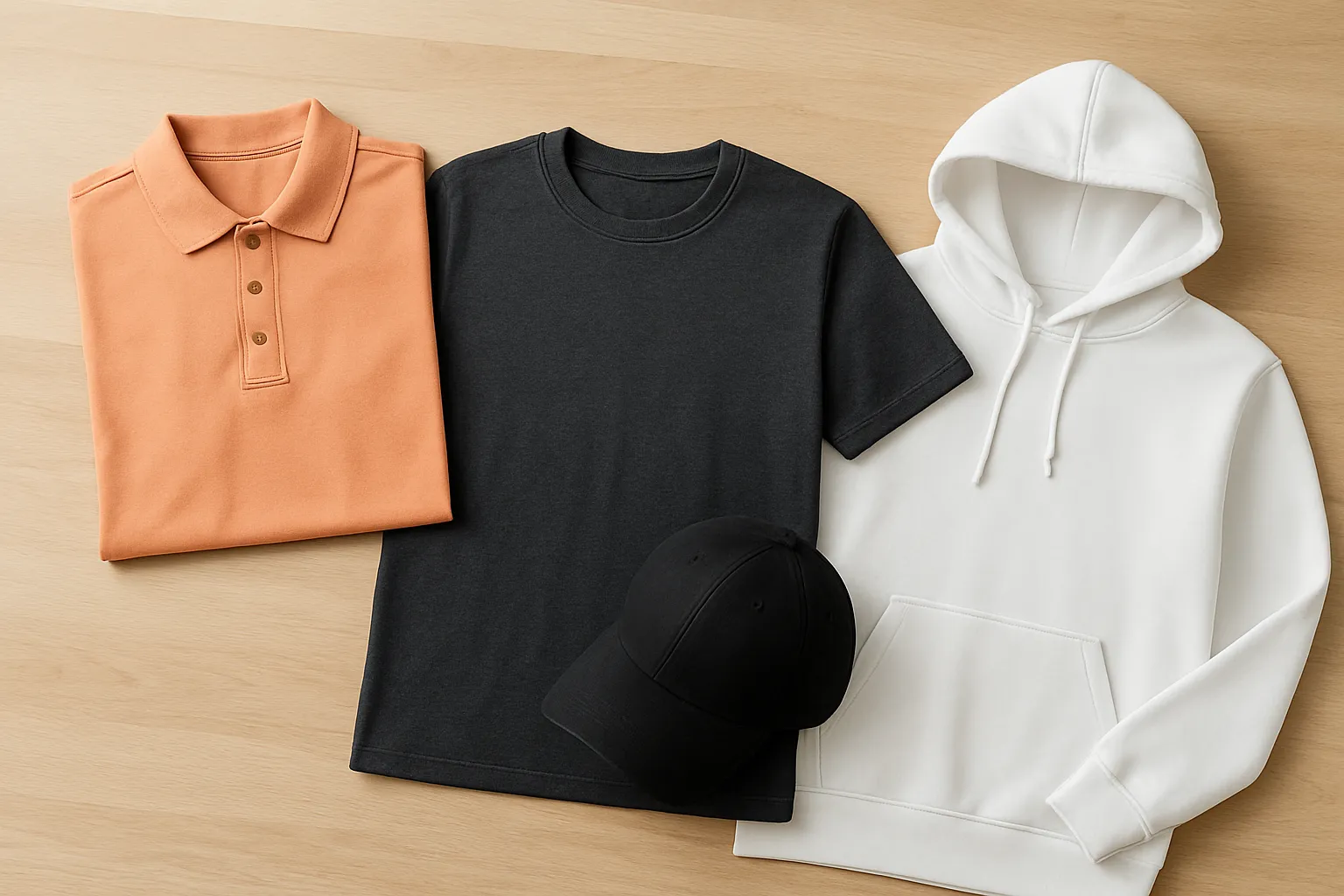
Custom apparel encompasses clothing items that are designed and manufactured according to specific requirements set by a business or organization. This includes everything from fabric and color choices to the incorporation of logos or branding elements. The range of custom apparel can vary from t-shirts and hats to jackets and uniforms, providing versatile solutions for various business applications.
Importance for Businesses
Custom apparel fulfills multiple roles. It enhances brand recognition, fosters team spirit, and can serve as an effective marketing tool. In my experience, equipping employees with thoughtfully designed custom apparel not only promotes your brand but also helps cultivate a professional image that positively influences customer perception.
2. Key Specifications to Consider
When selecting custom apparel, several important specifications should be considered to ensure that the final product meets your business requirements.
Fabric Types and Quality
The choice of fabric is crucial, as it impacts both comfort and durability. Common fabric types include cotton, polyester, and blends that offer moisture-wicking properties. Assessing fabric quality is vital to ensure that the apparel withstands frequent use and retains its appearance over time.
Sizing and Fit Options
Different businesses have diverse employee demographics, making it essential to provide a range of sizing and fit options. Custom apparel should cater to various body types to guarantee a professional and comfortable fit for all employees. I believe offering both unisex options and tailored fits can accommodate your workforce effectively.
Customization Features
Customization features such as embroidery, screen printing, and heat transfer are key in making your apparel unique. Determine the type of customization that best reflects your brand identity and ensure that your supplier can deliver high-quality results.
3. Use Cases for Custom Apparel
Custom apparel can be utilized in various scenarios, each serving a distinct purpose within your business strategy.
Employee Uniforms
Employee uniforms represent a practical application of custom apparel. They promote a cohesive brand image and can enhance customer trust. A well-designed uniform can also boost employee morale and create a sense of belonging, which I have seen firsthand in many organizations.
Promotional Merchandise
Promotional merchandise, such as branded t-shirts or caps, serves as an effective marketing strategy. These items can be distributed at events or given away as part of a marketing campaign, significantly increasing brand awareness and customer engagement.
Event Merchandise
For businesses hosting events, custom apparel can serve as memorable takeaways for attendees. T-shirts, hoodies, or accessories featuring event branding can enhance the experience and provide lasting promotional value.
4. Comparing Apparel Manufacturing Options
Choosing the right apparel manufacturing option is critical for ensuring quality and cost-effectiveness.
Local vs. Overseas Manufacturing
Local manufacturing might offer quicker turnaround times and easier communication, while overseas manufacturing can be more cost-effective for bulk clothing orders. It’s important to assess your priorities—whether they lean towards speed, cost, or quality—before making a decision.
Quality Control Standards
Regardless of your manufacturing choice, maintaining quality control standards is essential. Ensure that your supplier adheres to strict quality guidelines to avoid issues with the final product.
Cost Considerations
Cost is always a significant factor when sourcing custom apparel. I recommend obtaining quotes from multiple suppliers and comparing them not just on price but also on the quality of materials and services they provide.
5. Sourcing Custom Apparel
Finding the right supplier is pivotal to a successful custom apparel project.
Finding Reliable Suppliers
Start by researching suppliers with a strong reputation in the industry. Look for reviews, testimonials, and case studies to gauge their reliability and the quality of their work.
Evaluating Supplier Portfolios
A supplier’s portfolio can provide insight into their capabilities. Review their previous work to ensure they can meet your customization needs and quality expectations.
Negotiating Bulk Clothing Orders
When placing bulk clothing orders, don’t hesitate to negotiate pricing and terms. Many suppliers offer discounts for larger orders, which can be advantageous for your budget.
6. Implementation Strategies
Once you’ve selected your custom apparel, the next step is implementing a strategy for ordering and distribution.
Planning Your Order
Careful planning is essential to avoid over-ordering or under-ordering. Assess your needs based on the number of employees and the intended use of the apparel.
Managing Inventory
Implementing an inventory management system to track your custom apparel stock is crucial. This will help maintain an adequate supply while minimizing excess inventory.
Distribution and Logistics
Plan for the logistics of distributing the apparel to your employees or customers. Consider the most efficient delivery methods to ensure timely receipt.
7. Frequently Asked Questions
What is the Minimum Order Quantity?
Minimum order quantities can vary by supplier. It’s important to clarify this detail before placing an order, especially if you are a small business.
How Long Does Production Take?
Production timelines can differ based on the complexity of the order and the supplier’s capacity. On average, expect a lead time of two to four weeks.
What Are the Payment Terms?
Payment terms will also vary by supplier. Discuss payment options upfront to ensure they align with your business’s financial practices.
Conclusion
Choosing the best custom apparel for your business needs requires careful consideration of various factors, including fabric quality, customization options, and sourcing strategies. By understanding your requirements and following the outlined steps, you can select custom apparel that not only meets your expectations but also enhances your brand’s visibility and employee morale. For further insights, you may refer to this industry reference for custom apparel.