
Three-Quarter Sleeve Tops: Fix the Measuring Point
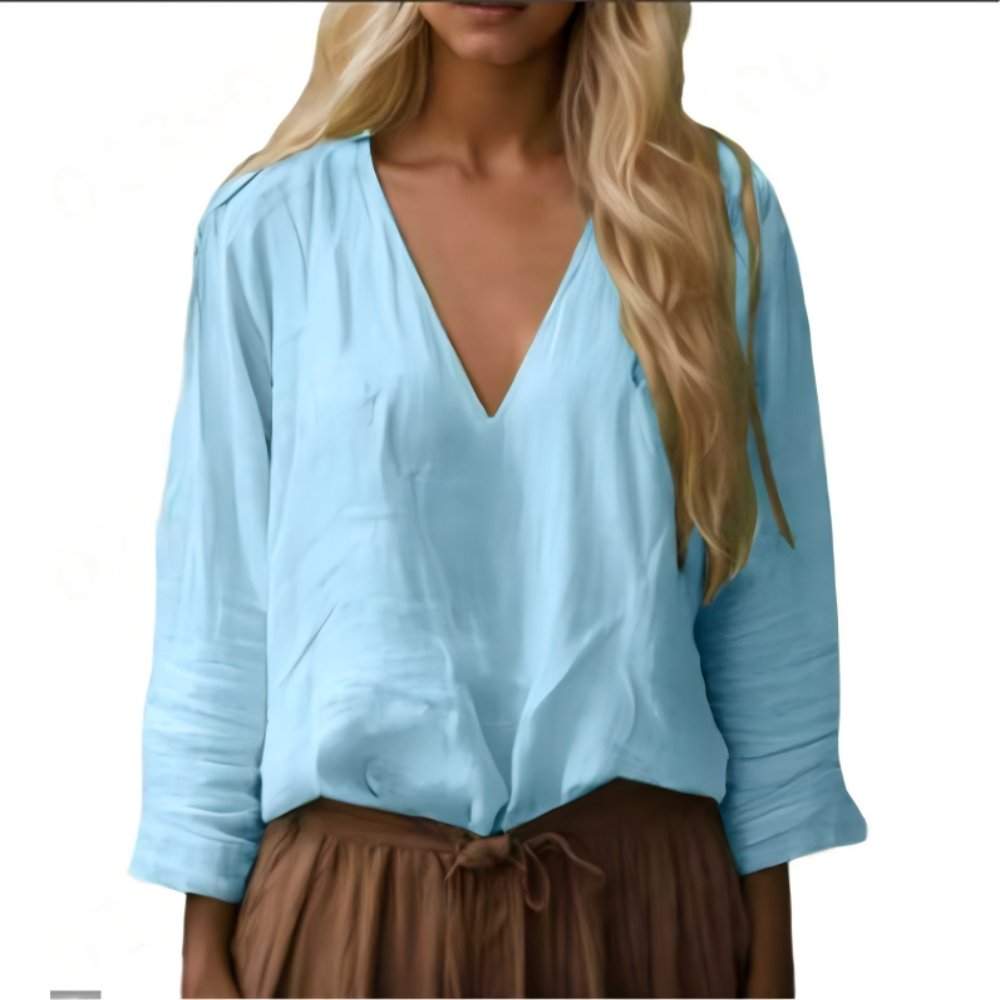
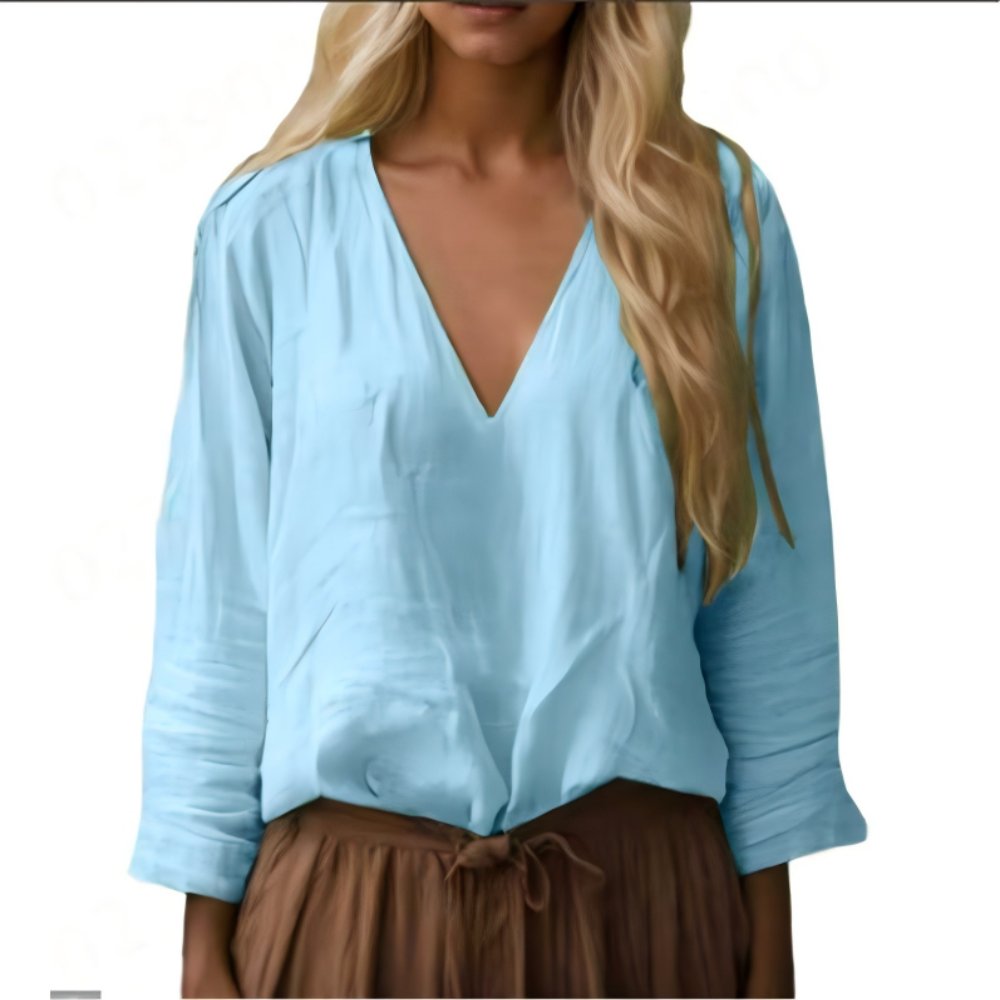
Approve three-quarter sleeve tops by defining where the sleeve measurement starts, where it ends and how the garment is positioned during measurement. Compare that record with the intended cuff position on the fit reference. A sleeve category name identifies a style direction; it does not provide an exact length or make measurements from different starting points comparable.
For an apparel buyer, sleeve length can become ambiguous when different teams measure from different locations. A catalogue photograph also changes with the wearer’s pose or a folded cuff. Xiangrong lists several sleeve treatments in its top catalogue. Use those references to set a consistent sample record, while keeping the chosen neckline and garment shape identifiable.
Give the sleeve description a measurement reference
Identify the exact top and request a measurement diagram. Ask which point is used at the shoulder or neckline and whether the tape follows a seam or another stated line. Define the end point at the cuff or finished sleeve edge. Keep the diagram beside the dimensions so a later reviewer can reproduce the same measurement.
The V-neck three-quarter sleeve top provides a clear catalogue starting point. Its image shows the selected style on a wearer, but it should not be used as a ruler. Ask for the actual sample dimensions and garment measurements that correspond to the version being offered.
- Define the starting point and finished sleeve end.
- State whether the cuff is folded during review.
- Keep each garment and size tied to its own diagram.
Compare lengths without changing the measuring method
A useful comparison keeps the measurement basis consistent while identifying differences in the garment. Record the neckline, sleeve shape and cuff treatment alongside the length. If the product uses a different shoulder arrangement, request an appropriate diagram rather than carrying over a number from another top without checking where it was taken.
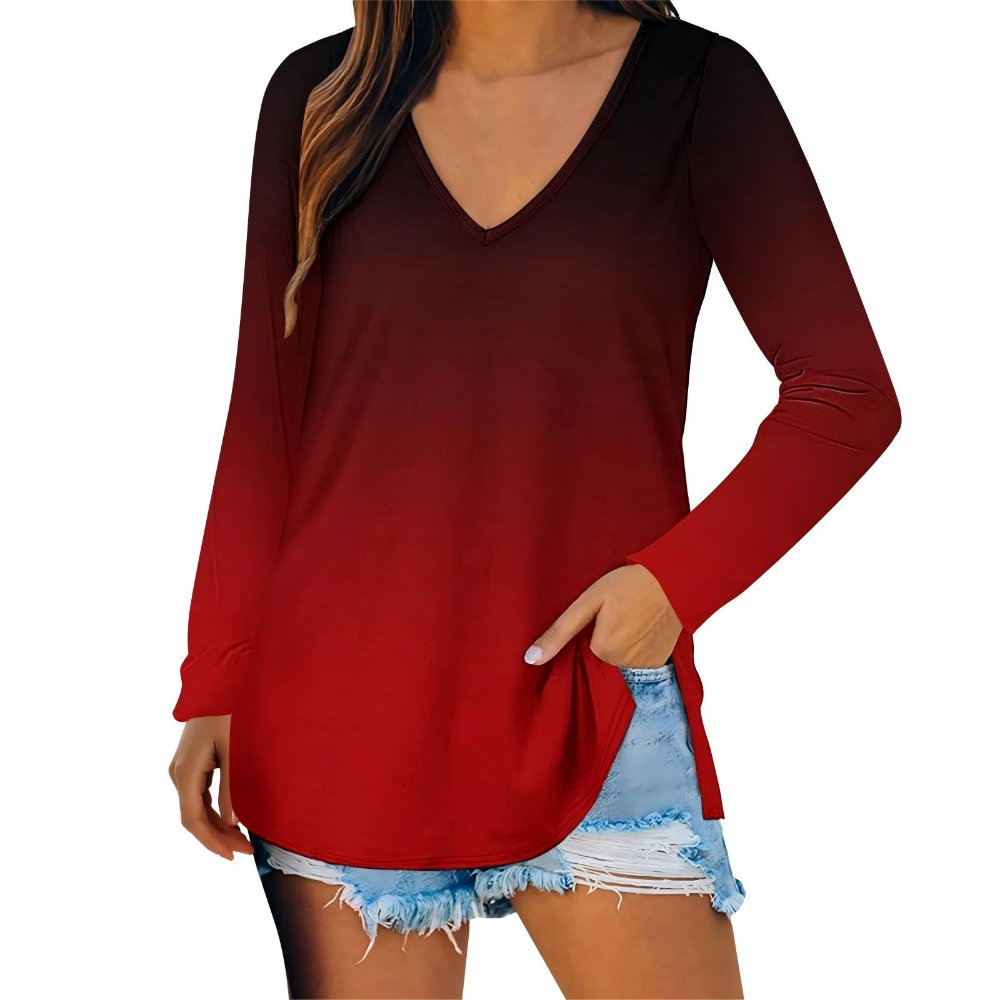
The V-neck long-sleeve reference makes the distinction between a shared neckline and a different sleeve length easy to discuss. Keep each product’s dimensions attached to its own identifier. Similar front styling does not establish identical shoulder, upper-arm or sleeve measurements.
| Review choice | Risk if left unclear | Record to agree |
|---|---|---|
| Measurement origin | Different starting locations | Marked garment diagram |
| Cuff presentation | Styled length mistaken for actual length | Photograph and cuff position |
| Size comparison | One sample treated as every size | Dimensions linked to each selected size |
Specify the cuff position on the fit reference
Ask the fit reviewer to describe where the sleeve should finish on the intended wearer reference. Photograph the arm in an agreed ordinary position and note whether the cuff is folded, pushed up or left as supplied. A raised arm or styled cuff can change the apparent result without indicating a change in the garment’s measured length.
Describe observations precisely when the result differs from the brief. Identify whether the issue concerns the overall sleeve length, the cuff opening or the way the sleeve sits around the arm. This gives the supplier a clearer question than a general instruction to make the sleeve more comfortable or make it look shorter.
Check both sleeves and the selected garment shape
Measure and review both sides of the selected sample using the same method. If the buyer notices a difference, record the actual observation and ask for a response. Agree any acceptance limits with the supplier rather than inventing a tolerance or treating a single photograph as proof of consistency across an order.
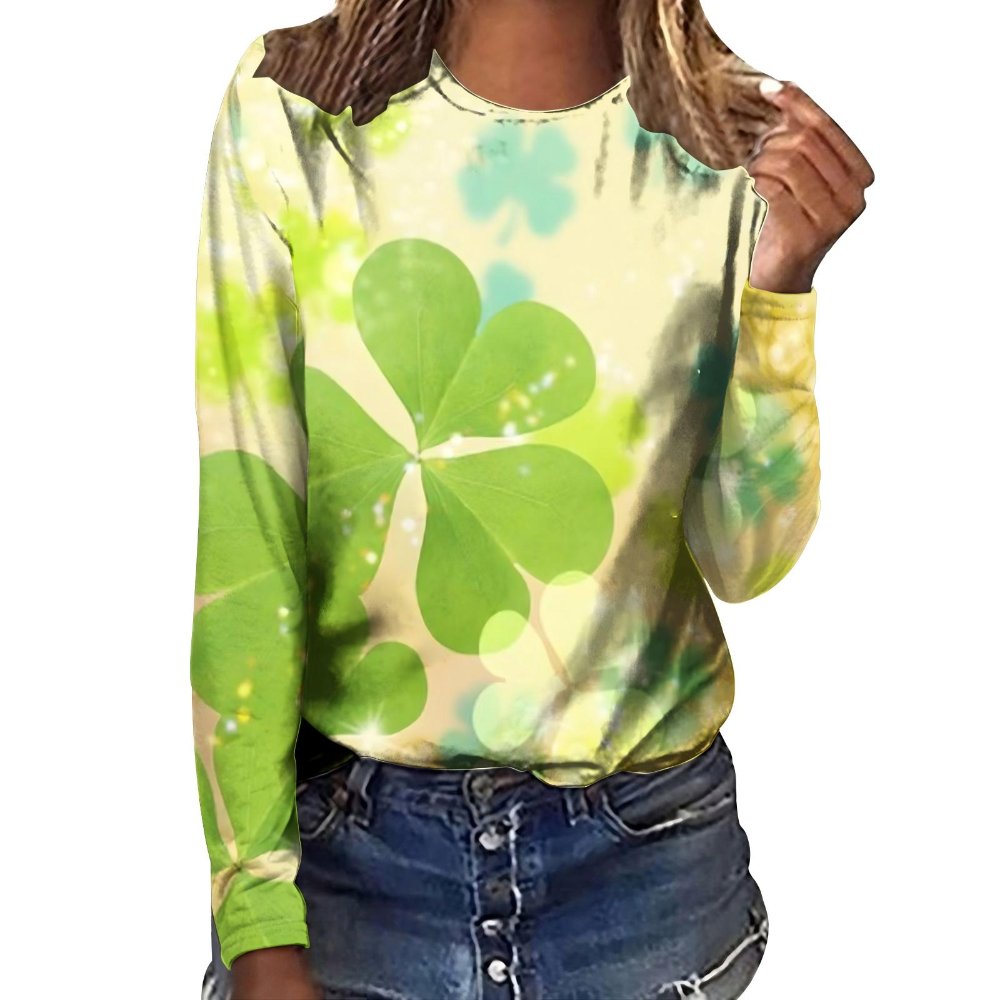
The crew-neck long-sleeve top reference also shows why the full garment identity matters. A different neckline or body outline may accompany the sleeve change. Use it as a comparison reference, then keep the approval focused on the actual V-neck version selected for the enquiry.
Make the size breakdown follow the approved diagram
Collect the final diagram, sample identifier, selected size and resolved sleeve comments in the approval record. Request the relevant dimensions for each size in the proposed assortment. Distinguish an accepted style feature from an unconfirmed request to change the cuff, sleeve opening or length so the quotation can address the intended garment.
Send the record through Xiangrong’s enquiry page and ask for confirmation of the selected options and current terms. The apparel planning article hub can support broader range decisions. Keep fabric and care questions as separate requests for information; the measurement review does not establish material composition, stretch performance or a production-process guarantee.
Frequently Asked Questions
Does three-quarter sleeve specify an exact dimension?
No. Request the measurement for the selected garment and define how it is taken. The style term alone is not a complete specification.
Can sleeve length be judged from a model photograph?
Use the image to identify the style, then review a measured sample. Pose, camera angle and cuff styling can affect the apparent length.
Should both sleeves be measured?
Use the same agreed method on both sides of the sample and record any observation that requires clarification before approval.
Can a long-sleeve chart be reused for another top?
Check the actual measurement locations and garment construction first. Request a chart or diagram for the selected top instead of assuming equivalence.